Blog

Embracing Diversity in YOUR Coaching
With 2020 behind us, social protests and politics remain with us as we continue to struggle living through a pandemic. What we say and do, continues to define us and our legacy as coaches and continues to shape the impact we have on others. Therein lies both the challenge and the opportunity.
Coaches must re-address their coach approach through the lens of diversity, equity, inclusion, and belonging (DEIB) in every coaching exchange – adapting and evolving their mindset and presence to their client’s needs. Coaches need to embody the ICF competencies with a laser focus on building DEIB awareness, knowledge, and discipline to be an effective and empathetic coach.

Diversity in Coaching
I played the oboe for years. Beginning in primary school and through college, I practiced and practiced, joining the band, the wind ensemble, a church group and even formed a professional trio with a flute and clarinet. Now you may wonder why I open a piece on Coaching with my musical skills? Simple. When I was seeking out a music coach, I searched for someone who understood me – and who understood the oboe – and the distinctive value of the double-reed instrument. Not someone who played drums, not a tuba teacher, but a skilled musician that believed in the beauty and joy of the unusual oboe and related to the unique needs and challenges of the oboist.
It is the same with any coaching, whether it be leadership coaching, career coaching, or life coaching. A client brings their unique perspectives – their differences – to every coaching session. Hence, a coach must see their client, hear their client, and truly understand their client, all while respecting their own perspectives and honoring the coaching process. This is embracing diversity in coaching.
Why is diversity important in coaching? To be an effective and present coach, we must seek to understand the client within their context. A client’s context that may include their identity, environment, experiences, values, culture, and beliefs.

Moving Down the Ladder: Using Powerful Questions to Help Clients Improve Decisions
The amount and speed with which we receive information has almost become overwhelming.
Add that with the increased pressure to take action more quickly, and the continued stretch of leading (and living) through a pandemic, leaders find themselves with less and less time to think through a problem.
Without this space, I am seeing an increased number of the those I work with are making more reactionary, sometimes short sighted decisions.
The Ladder of Inference is a powerful tool to help leaders identify their thinking process in order to challenge the premise of decisions, thereby increasing the probability of a solid decision. The Ladder of Inference was created by organizational psychologist Chris Argyris in the mid-1970s and became well known when it appeared in Peter Senge’s The Fifth Discipline: The Art and Practice of the Learning Organization.
The Ladder identifies 7 steps, or rungs we climb to make decisions.

Coach Credentialing and How to Get Your ACC with the ICF
Almost ten years ago, I decided that I wanted to become a professional coach. Working in leadership and human resource roles for some of Canada’s largest employers in the financial services sector gave me many opportunities to coach people. I learned that I loved being a coach — aka a strategic thinking partner and an impartial, confidential, accountability advocate.
Want to be a coach?
While still working full-time for my employer and with their consent, I attended coach training (on my own time and dime). Back then, the International Coaching Federation (ICF) was not as well known as the global leader and gold standard for professional coaches. I received my first coaching certification from an organization whose training was not recognized by the ICF.
So I started again and took more coach training. This time, I found a training program that would check all the important boxes in order to meet my coaching goals.
As of the date of this post, I am awaiting a decision from the ICF regarding my application to be recognized as a Professional Certified Coach (PCC).
If you are looking to become a professional coach certified with the ICF, I invite you to continue reading.
Over the years, I have learned a great deal about coach training, mentor coaching, and the ICF.

The First Coaching Tip in 2021
Welcome to 2021!
Well, wasn’t that an interesting year?
It stretched you, might have frustrated you and it may have revealed more of you.
In the face of an unexpected life twists, three groups of people show up: Innovators, Managers and Resistors
Each group plays an important part. You will have experienced each of these roles this year. Some for short periods of time and some for long periods with a lot of slipping back and forth between them.
Let’s bring your focus to the three roles we all can experience in this coming year.
There will be Pacesetters, Leaders, and Influencers.
The innovators can shift to be the Pacesetters
The Managers can shift to be the Leaders
The Resistors can shift to be Influencers

Seven Questions You Need Answered Before Signing Up for a Coach Training Program
The following are questions you should ask any coaching company you are considering partnering with for your Coach Training to become an ICF Credentialed Coach…
What are the credentials of the coach facilitators who are delivering the program?
Ask for the experience and confirm the credentials of the coach facilitators who will be taking part in your training. Invest some time to speak to the people behind the program you are considering.
Is the program schedule convenient? Does it offer flexibility?
Can you do the program from home or on a laptop from anywhere or do you need to be physically present at a facility? What happens if you can’t make a session? Can you make it up or is there a replay?
Does the program have a good reputation?
Do they have an abundance of testimonials? Ask them if it’s possible to speak with one of their graduates? Are their trainers ICF credentialed? Search the internet to see what people are saying about them online.

10+1 Things you need when dealing with a Crisis
This list of 10+1 important considerations when Coaching Through Crisis is presented as a mindful guide you can put in practice today.

Are your listening skills good or great?
If you want to be a great coach you must be a great listener. Listening skills are essential for anyone

Coaching Success Story: 5/5/5 Coaching Skills Training Program™
Coaching Success Story: 5/5/5 Coaching Skills Training Program™ We recently learned of yet another success story that illustrates just how

COTBx is now a SHRM Recertification Provider
We are continually adding services and resources to support coaches and those who use coaching to lead. As part of

Coaching Self-Care in 2019
In coaching we talk about having a working balance in three areas of your life; Career / Family / Self

Why leaders are turning to Coaching
I don’t think anyone can argue that change is one of the biggest challenges facing leaders in today’s work
How Managers and Leaders are using Coach-like Conversations to Impact Organizations
I wanted to let you know about another coaching resource: The STaR Coaches Show. This is a series of podcasts,
Tips on How to Find the Right Coach Training Program
There are many options when it comes to finding a coach training program whether you are looking to become a
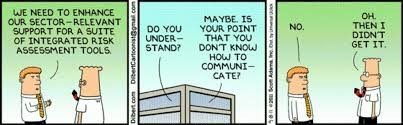
Coaching Challenge #2: Coaching the Poor Communicator
This is the second in my series on tips for tackling Coaching Challenges. Today I want to talk about a

‘Tis the Season for . . . . Goal Setting
‘Tis the season for many things but one of the things on your list should be goal setting for

Think Outside the Box to get more from your Coaching Skills
If you are like most coaches you’ve spent a good deal of time and resources developing your skills. Of course,

The Business of Coaching: The Biggest Challenges and How to Overcome Them
As we’ve discussed in previous articles – there is a lot more to success in coaching than excellent coaching skills.

Expected and delightfully unexpected benefits of coaching
Expected and delightfully unexpected benefits of coaching Last month I shared with you tips on how to know if your

How to know if your Organization is ready for Coaching
Last month I shared 5 key strategies for coaching success. This month I will take a closer look at

5 Key Strategies for Coaching Success
The professional coaching industry is growing rapidly, creating new opportunities as well as challenges for both new and experienced

How Can Coaching Impact Organizations?
It can be really easy to confuse the term “coaching” with “managing”. Managers often assume that because they are a
Team-Building – What Works?
Team-building exercises are historically hit-or-miss endeavors. In most workplaces, when people hear that management has planned some team-building, employees’ reactions

Empathy in the Workplace
When it comes to making sure you and your coworkers are operating at the highest rate of efficiency, there are

5 Steps for Creative Problem Solving
The old adage, “think outside the box” is well known and somewhat overused, but the theory behind it is sound.